Homeowners planning a tile project in St. George almost always ask two questions: what will it cost, and how long will my bathroom or kitchen be out of commission? The timeline question matters just as much as price when it is your only shower or your main kitchen. The honest answer depends on the scope, the surface prep our slab-on-grade homes often need, and the simple fact that good tile work cannot be rushed. Here is a realistic look at how long tile installation takes in Southern Utah and what drives the schedule.
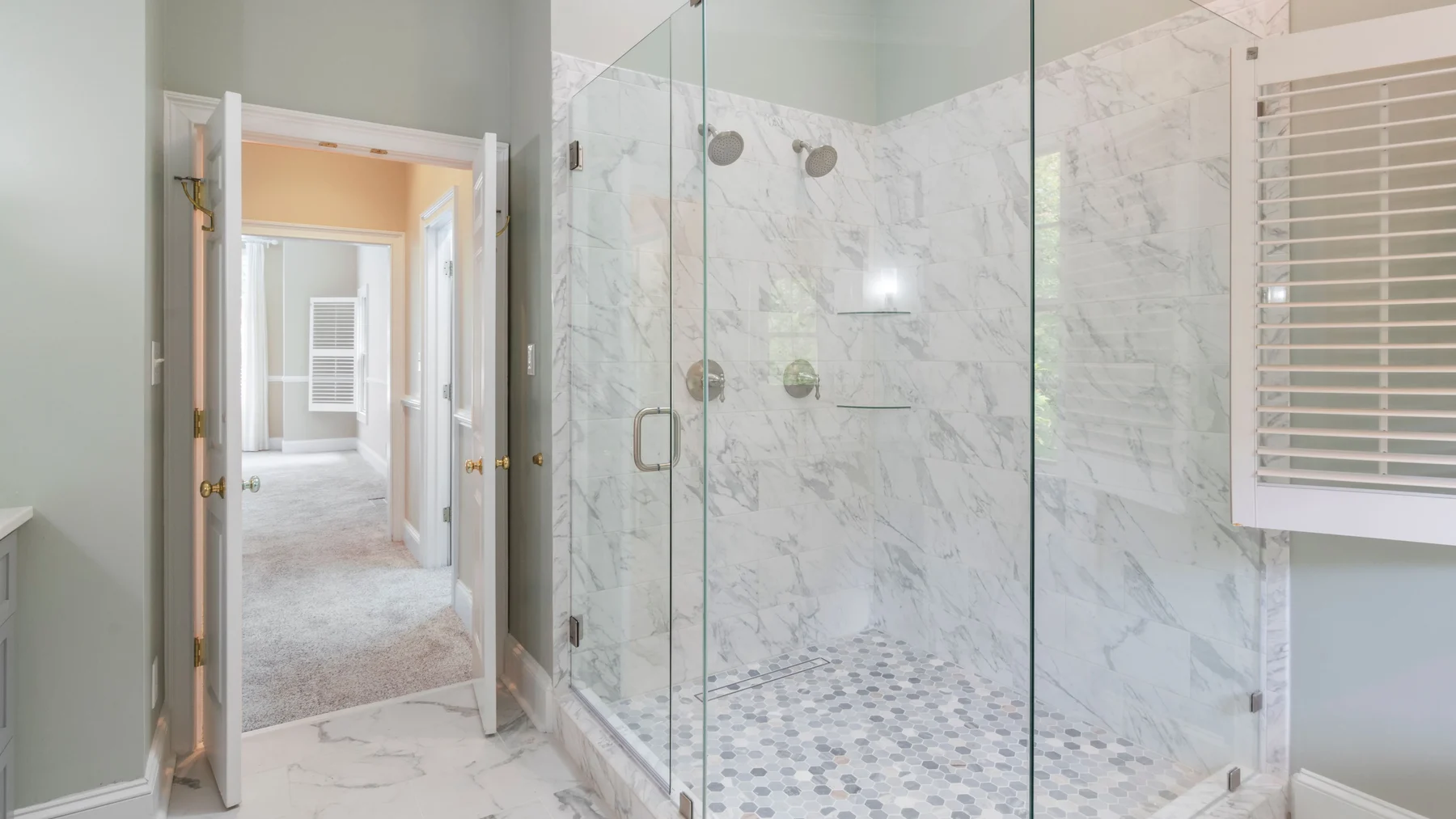
As a general guide for Washington County homes, a standard kitchen backsplash runs one to two days. A tub-to-shower or a full shower tile job typically takes three to five days once you account for waterproofing and cure times. A bathroom floor is often one to two days, while a large great-room or whole-level floor of large-format or wood-look tile can run several days to over a week depending on square footage. These are working-day estimates, and the real number depends on the details below.
Tile is a process with built-in waiting. Thinset mortar and grout need time to cure, and in a wet area the waterproofing membrane must set before tile goes over it. Skipping or shortcutting those cure windows is exactly how you get failed showers and cracked grout down the road. A crew that promises to tile your shower start-to-finish in a single day is cutting corners you will pay for later. The schedule we give builds in the proper cure times, which is why a quality shower is a multi-day job rather than an afternoon.
A big schedule factor here is the subfloor or wall prep. Many St. George and Washington homes are slab-on-grade, and concrete slabs in our region commonly develop hairline cracks from the dry soil and heat. Those cracks need a crack-isolation membrane before tile goes down, or the slab movement will telegraph up and crack your tile and grout. Uneven floors need leveling, and old substrates may need demo and replacement. This prep is invisible in the finished floor but is often what separates a two-day job from a four-day one, and it is not optional.
If we are tearing out existing tile, that adds time and is messier than people expect, especially removing old tile from a concrete slab, which is slow, dusty work. A straightforward tear-out might add a day; a stubborn old mortar bed or a shower that has to be fully gutted adds more. For older St. George homes and the many active-adult renovations in the area, the demo phase is a real part of the schedule, so we account for it up front rather than discovering it mid-project.
The tile itself changes the pace. Large-format tile covers area fast but demands a very flat substrate and careful handling, which can offset the speed. Small mosaics and intricate patterns like herringbone take much longer to set because of all the individual pieces and cuts. A simple straight-lay floor goes quickly; a detailed feature wall, a niche, or a patterned backsplash is slower, detailed work. When you choose your tile and layout, you are also partly choosing your timeline, which we explain during planning.
The waiting between steps is real. After waterproofing a shower, the membrane cures before tiling. After setting tile, the thinset cures before grouting, usually overnight. After grouting, the grout cures before sealing and before the shower can get wet. In our dry desert air some of these cures move along nicely, but they still cannot be eliminated. This is why even a modest shower spans several days on the calendar even though the hands-on labor is less than that. Respecting the cures is what makes the installation last.
We protect your timeline a few ways. We confirm the substrate condition and material availability during the estimate so there are no mid-job surprises, we stage the tile and materials before starting, and we sequence the cure times efficiently so no day is wasted waiting that did not need to wait. For a one-bathroom home, we also talk through the realistic days without a usable shower so you can plan. Clear communication up front is what keeps a St. George tile job predictable.
For a home with a single bathroom, the days a shower is unusable are the real concern, not the total calendar time. We plan these jobs to minimize that window, often doing all the prep and setting in sequence so the no-shower stretch is as short as the cures allow, and we tell you honestly which days you will need a backup plan. Many St. George retirees schedule a single-bath remodel around a short trip or arrange to use a guest or clubhouse shower in their community. A little planning makes the disruption manageable.
Our dry Southern Utah climate can actually help cure times along compared to humid regions, since thinset and grout give up moisture faster in dry air. But heat cuts both ways: in the hottest part of a St. George summer, mortar can flash-set too fast if a crew is careless, which weakens the bond. A good installer manages this by controlling the work environment and mixing in appropriate batches rather than letting the desert rush the chemistry. So the climate helps the schedule modestly, but only when the work is done with care.
It is worth repeating that the fastest bid is often the most expensive in the long run. The failures we are called to fix in St. George, cracked grout, loose tile, leaking showers, almost always trace back to skipped prep or ignored cure times by someone racing to finish. Redoing a failed shower costs far more than doing it right once, not to mention the water damage a failed shower can cause behind the wall. When you compare timelines, a slightly longer schedule that respects the process is protecting your investment.
Plan on one to two days for a backsplash, three to five for a tiled shower, and several days to a week-plus for large floors, with slab prep, demo, and intricate patterns extending the schedule. The cure times are non-negotiable if you want tile that lasts in our climate. When you are ready, we will assess your space and give you an honest, written day-by-day timeline so you know exactly what to expect before we start.
A full tiled shower typically takes three to five working days once waterproofing and cure times are included. The hands-on labor is less, but the waterproofing membrane must cure before tiling, the thinset cures before grouting, and the grout cures before sealing. A crew that promises a start-to-finish shower in one day is skipping cures you will pay for later in failures.
Many St. George homes are slab-on-grade, and our concrete slabs commonly develop hairline cracks from the dry soil and heat. Those cracks need a crack-isolation membrane before tile goes down, and uneven floors need leveling, or slab movement will crack your tile and grout. This prep is invisible in the finished floor but often turns a two-day job into a four-day one, and it is essential for a lasting result.
Free estimates and honest day-by-day schedules for tile projects across St. George and Southern Utah.