Home > Blog > Maintenance
Maintenance • August 24, 2026
Caring for Natural Stone Tile in St. George's Climate
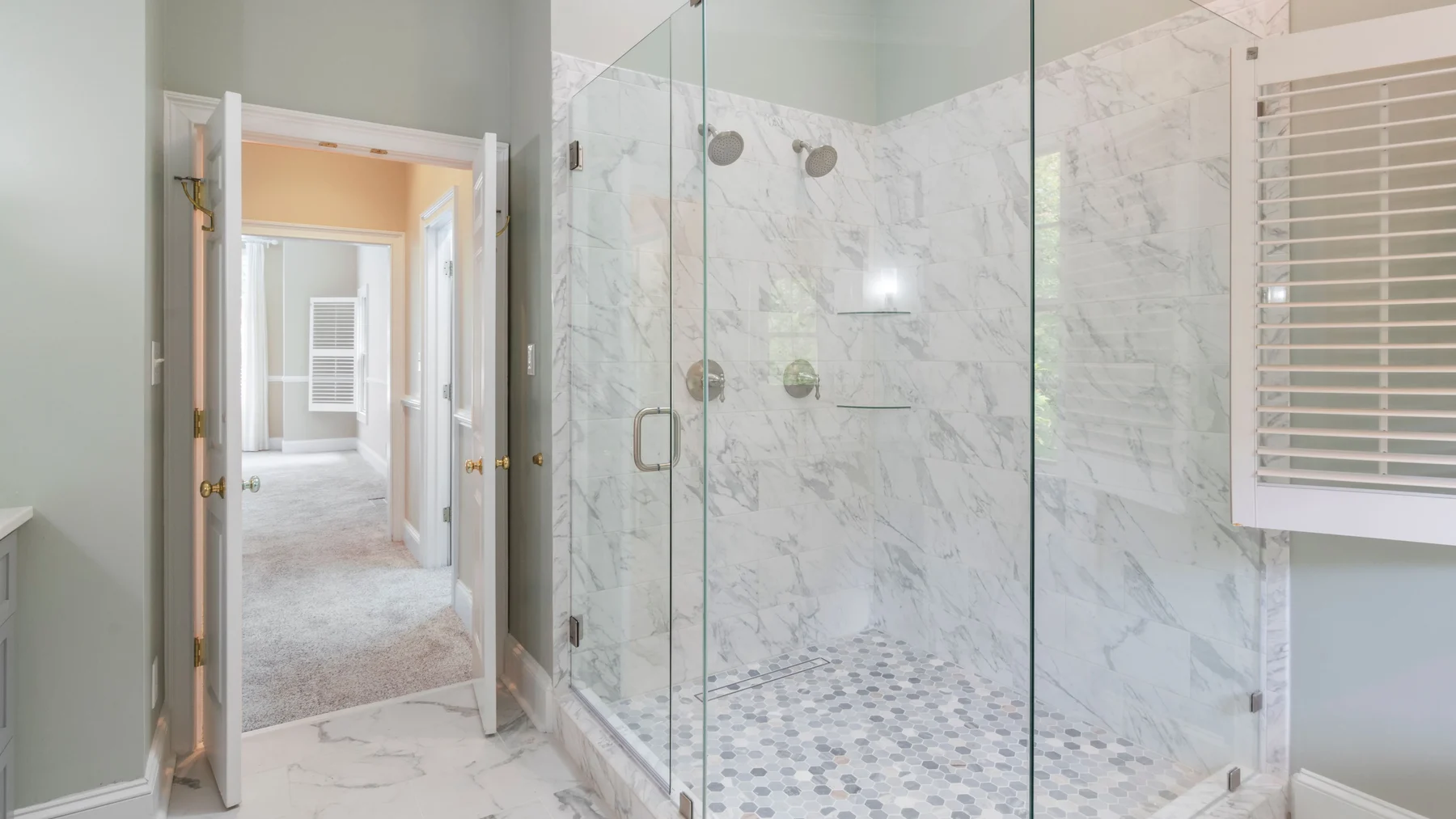
Natural stone tile, travertine, marble, slate, limestone, brings a warmth and character that manufactured tile cannot fully match, and it is a beautiful choice in a St. George home. But natural stone is also porous and, in some cases, chemically delicate, which makes our desert climate and famously hard water a real challenge. With the right care, natural stone thrives here; without it, it dulls, spots, and etches. Here is how to protect natural stone tile in Southern Utah.
Two things about St. George make stone care demanding. First, our water is extremely hard, loaded with minerals that leave chalky deposits and, on acid-sensitive stones, can dull the finish over time. Second, our desert heat and intense UV stress both the stone and the sealers protecting it. A material that would be low-maintenance in a mild, soft-water climate needs more attention in Southern Utah, and understanding that up front is the key to keeping it beautiful.
The single most important thing you can do for natural stone here is keep it sealed. Sealer fills the pores so water, minerals, and stains cannot penetrate, and in St. George's harsh conditions that protection wears faster than the label implies. Test your stone periodically by dripping water on it: if the water soaks in instead of beading, the sealer has worn and it is time to reseal. Staying ahead of that cycle is what prevents hard-water damage from setting in.
Different stones demand different care. Marble and travertine are calcium-based and acid-sensitive, meaning acidic cleaners, and even hard-water minerals, can etch them dull. Granite is much harder and more forgiving. Slate is durable but can flake. Because the care rules change with the stone, knowing exactly what you have determines how you clean and protect it. When in doubt, treat stone as delicate and use only products labeled safe for natural stone.
Cleaning products matter enormously with stone. Avoid vinegar, lemon, and any acidic or harsh cleaner, which will etch acid-sensitive stone and degrade sealers. Skip generic bathroom sprays too. Instead, use a pH-neutral cleaner made for natural stone and soft cloths or non-abrasive pads. In St. George, where hard water tempts people to reach for strong descalers, resisting that urge on stone surfaces is essential to keeping the finish intact.
Hard-water deposits are the constant battle in St. George showers and around sinks. The best defense is prevention: wipe down stone surfaces after use to remove water before minerals can deposit, keep the sealer fresh, and consider a whole-home water softener, which dramatically reduces the mineral load on every surface in the house. When buildup does occur on stone, use only stone-safe removers, never acidic descalers, to avoid trading a deposit problem for an etching problem.
Stone showers are the toughest environment: constant water, hard minerals, and humidity all at once. If you have natural stone in a St. George shower, plan on more frequent sealing, daily squeegeeing or wiping to fight deposits, and stone-safe cleaning only. Many homeowners who love the look of stone elsewhere in the home choose porcelain that mimics stone specifically for the shower, precisely because the maintenance in that wet, hard-water zone is so demanding.
Stone floors take abrasion from grit, which the desert delivers in abundance. Sand and fine dust tracked in act like sandpaper underfoot, wearing the sealer and the surface. Regular dust-mopping to remove grit, walk-off mats at entries, and keeping the sealer maintained all extend the life of a stone floor. In St. George, where you are always fighting a little desert dust, that routine grit control makes a real difference in how long the finish lasts.
Some stone care goes beyond routine. Deep cleaning, professional resealing, honing out etch marks, and repairing damaged stone are jobs where the right equipment and know-how protect your investment. If your stone has gone dull, developed stubborn deposits, or lost its seal, a professional assessment can often restore it, and can advise honestly whether the stone is worth maintaining or whether a hard-water-friendly alternative would serve you better in our climate.
Natural stone tile can be a gorgeous, lasting choice in St. George, but only with care tuned to our hard water and desert heat: consistent sealing, stone-safe cleaning, hard-water prevention, and extra diligence in showers. Give it that attention and stone rewards you with warmth and character no manufactured tile can match. If you want help caring for existing stone, or deciding what belongs where in a demanding desert home, we are glad to advise.
The theme of stone care in St. George is that prevention is far cheaper and easier than restoration. Keeping the sealer fresh, wiping down surfaces, using stone-safe cleaners, and controlling hard water all take modest, consistent effort. Restoring stone that has been etched, stained, or crusted with deposits requires professional honing and deep cleaning and does not always fully recover the original look. A little routine care protects the substantial investment natural stone represents in a desert home.
The grout between stone tiles needs attention too, and in St. George it is a prime spot for hard-water buildup and discoloration. Sealing the grout along with the stone, and cleaning it with stone-safe products rather than harsh scrubs, keeps those lines from becoming the weak point in an otherwise beautiful installation. Well-maintained grout also protects the edges of the stone and the substrate beneath, so caring for it is part of caring for the stone itself.
Part of successful stone care is putting stone where it can thrive. Natural stone is wonderful on a fireplace surround, a feature floor, or an entry, areas that stay drier and see less hard-water abuse. In heavy-water zones like primary showers, many St. George homeowners are happier with porcelain that mimics stone, saving the real thing for spots where its beauty shines and its maintenance is manageable. Smart placement makes stone care far less of a chore.
Sometimes the most honest advice is that porcelain will make you happier. If you love a stone look but dread the upkeep, today's porcelain replicates travertine, marble, and slate convincingly while shrugging off hard water and heat. There is no shame in choosing the low-maintenance option in a climate as demanding as St. George's. We are glad to help you weigh the real beauty and real upkeep of natural stone against a porcelain alternative for each space in your home.
The easiest way to keep natural stone healthy in St. George is to tie care to the calendar. Do a quick water-drop seal test each season and reseal whatever fails it, deep-clean stone floors and showers a couple of times a year with stone-safe products, and keep entry mats and squeegees in play year-round to fight grit and hard water. A light, consistent routine like this prevents the slow damage that otherwise creeps up on stone in our climate, and it takes far less effort than reacting after the finish has already dulled.
Stone care fails when only one person knows the rules. A well-meaning family member or cleaner reaching for an acidic bathroom spray can etch a marble counter in minutes. Make sure everyone who cleans the home knows to use only stone-safe, pH-neutral products on the natural stone, and keep the right cleaner visibly on hand so the wrong bottle never gets grabbed. In hard-water St. George, that shared awareness is often the difference between stone that ages gracefully and stone that dulls fast.
It can, if the stone is not protected. Our very hard water leaves mineral deposits and, on acid-sensitive stones like marble and travertine, can etch the surface dull over time, especially in showers. Regular sealing, prompt cleaning, and stone-safe products keep natural stone looking good here, but it takes more diligence than in a soft-water region.
More often than the label suggests. St. George heat and hard water are hard on sealers, so many homeowners reseal high-use stone, especially showers and floors, every year or so rather than every few years. A simple water-drop test tells you when it is due: if water no longer beads on the stone, it is time to reseal.
How Much Does Tile Installation Cost in St. George? A 2026 Pricing Guide — Custom tile designed and installed across St. George and Washington County.