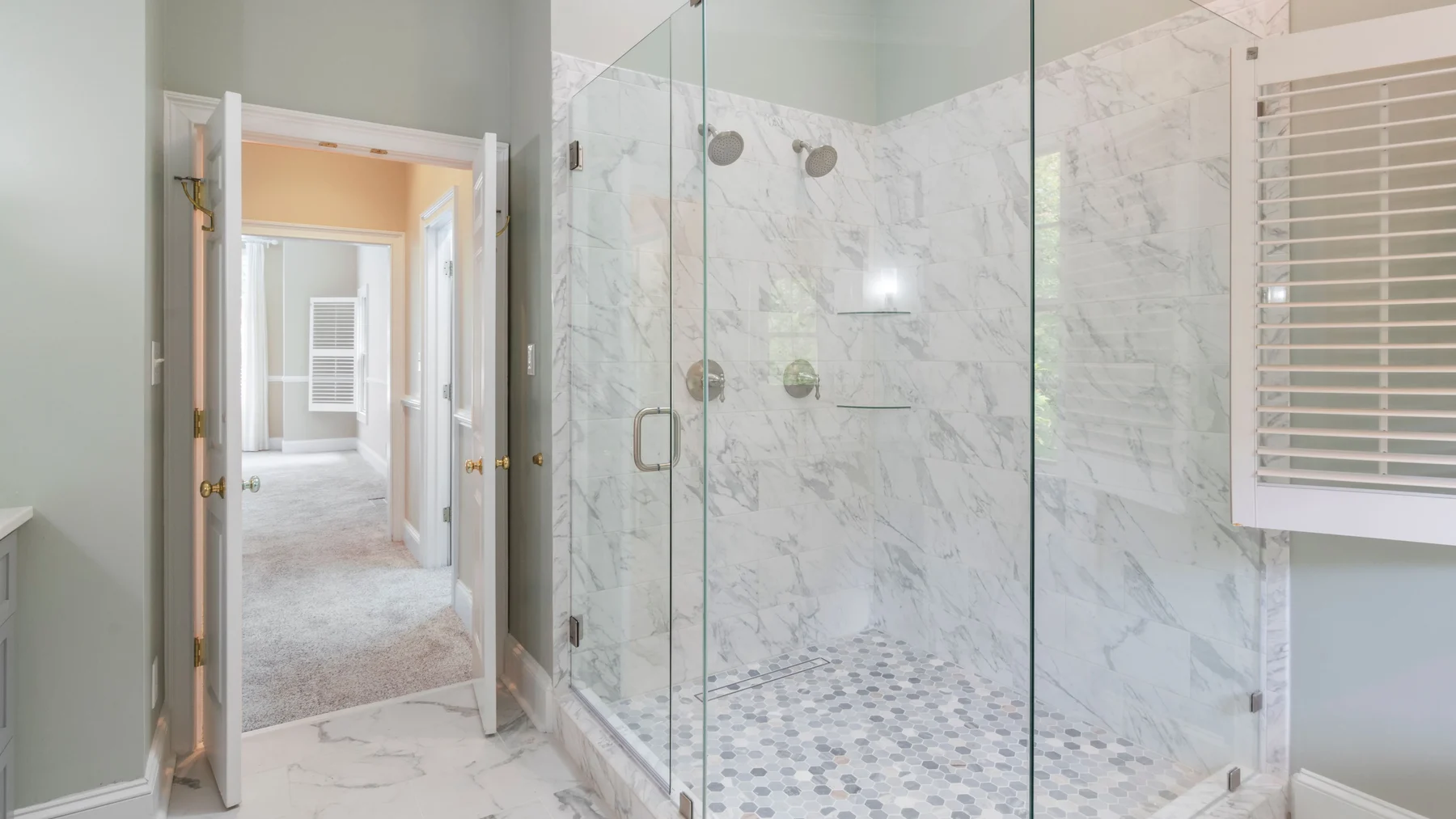
St. George has become one of the country's favorite places to retire and age in place, and that shapes how smart homeowners think about tile. A beautiful floor that turns slick when wet is a genuine hazard, especially in a bathroom, and especially for older residents. The good news is that slip-resistant, accessible tile does not mean ugly or institutional; today's options look great and keep people safe. Whether you are planning a forever home in an active-adult community or future-proofing a house in Washington or Santa Clara, this guide covers slip-resistant and aging-in-place tile done right.
Falls are among the most common and serious home injuries, and wet tile floors are a frequent cause. In a region with as many retirees and active-adult communities as greater St. George, designing bathrooms and entries with traction in mind is simply responsible. It is not only about seniors, either; wet feet, kids, and pets make any bathroom or pool-deck floor a slip risk. The reassuring part is that choosing the right tile and finish addresses the danger without sacrificing style, so you never have to trade safety for the look you want.
Tile slip resistance is measured, not guessed. The key number is the dynamic coefficient of friction, or DCOF, which rates how much grip a tile provides when wet. Industry guidance calls for a DCOF of at least a certain threshold for floors expected to get wet, and a good tile professional selects floor tile that meets or exceeds it for bathrooms, entries, and pool areas. Manufacturers publish these ratings, so the information is available if you know to ask, which most homeowners do not. Matching the tile's rating to where it will be used is the foundation of a slip-safe floor.
The simplest rule: for wet-area floors, texture and matte finishes provide far more grip than smooth, polished surfaces. A honed or textured porcelain, a tile with a subtle structured surface, or a stone-look with natural variation all give traction that a glossy tile cannot. This dovetails nicely with St. George's hard-water reality, since matte and textured finishes also hide the water spots that plague polished tile here. On shower floors specifically, smaller tiles, like a mosaic, are the classic choice because the many grout lines add grip and the small format conforms to the slope, giving both safety and drainage.
The single most impactful aging-in-place tile feature is the curbless, or zero-threshold, shower. Eliminating the curb removes a trip hazard and makes the shower accessible to a walker or wheelchair if that ever becomes necessary, all while looking sleek and modern. A curbless design depends on precise floor sloping to a linear or center drain and, above all, on proper waterproofing, since water management is entirely on the installer once the curb is gone. Pairing a curbless entry with a slip-rated floor tile creates a shower that is safe today and ready for whatever the future holds, a big part of why they are so popular in St. George's active-adult market.
Aging-in-place design is about thoughtful details. A tiled shower bench gives a safe place to sit, and it is far more elegant than a folding seat added later. Well-placed niches keep essentials within easy reach so no one has to bend or stretch on a wet floor. And here is a detail best handled before tiling: installing solid blocking in the walls where grab bars might go, even if you do not mount them yet, means a sturdy grab bar can be added anywhere it is needed later without tearing into finished tile. Planning that blocking in advance is inexpensive and invaluable. The ADA offers accessibility guidance at ada.gov for those who want to build to a recognized standard.
Slip safety is not only a bathroom concern. Entryways that catch the occasional rain, laundry rooms, and especially pool decks and patios, common in St. George's sun-soaked backyards, all benefit from slip-rated tile. Outdoor and pool-surround tile should be specifically rated for wet, barefoot traffic and for our intense UV and heat. Choosing textured porcelain designed for these areas keeps them safe and good-looking through the desert seasons. Thinking about traction wherever water meets tile is the mark of a well-designed home.
The old assumption that safe flooring has to look clinical is simply outdated. Textured wood-look planks, matte stone-look porcelain, and handsome mosaic shower floors all deliver excellent grip while fitting beautifully into a modern St. George home. You can have the red-rock-inspired palette, the large-format walls, and the spa look, and still stand on a floor that keeps you steady. It is entirely a matter of selecting the right products for each surface, which is exactly what an experienced tile professional does.
Choosing the right slip-resistant tile is the foundation, but a floor's grip can change over the years if it is not cared for, so a little maintenance keeps it safe long term. The most common culprit in St. George is our hard water itself: mineral deposits and soap scum can build a slick film on a shower or bathroom floor over time, quietly reducing the traction the tile was chosen for. Regular cleaning with the right products, avoiding waxy or oily cleaners that leave a slippery residue, keeps textured tile performing as intended. Sealing grout, and any natural stone, on schedule also prevents the porous surfaces from absorbing grime that can make them slick and stained. For households with older residents, it is worth periodically checking that bath mats have non-slip backing, that any transition strips between tile and other flooring sit flush so they are not a trip point, and that shower benches and grab bars remain solidly anchored. Good lighting matters too, since even a slip-safe floor is safer when it is well lit, which ties back to seeing wet spots before you step in them. None of this is difficult, but it is the kind of ongoing attention that keeps an accessible bathroom genuinely safe rather than safe only on the day it was installed. When we design an aging-in-place bathroom, we walk homeowners through this simple upkeep so the investment in safety keeps paying off for as long as they are in the home.
Reach out any time and we will help you plan a bathroom that stays both beautiful and steady underfoot for the long run.
Designing with slip resistance and accessibility in mind is one of the smartest things a St. George homeowner can do, protecting the people who live there now and making the home work for decades to come. Curbless showers, slip-rated floors, thoughtful benches and niches, and grab-bar blocking cost little to plan in from the start and are expensive to retrofit later. If you are building or remodeling with the future in mind, we are glad to help you choose tile that is as safe as it is beautiful. Our tub-to-shower conversion guide is a natural companion for anyone planning an accessible bath.
Slip resistance is measured by the dynamic coefficient of friction (DCOF), and floor tile for wet areas should meet or exceed the recommended threshold. In practice, matte and textured finishes grip far better than polished ones, and small mosaic tiles on shower floors add traction through their many grout lines. These choices also happen to hide the hard-water spots common in St. George.
A curbless, zero-threshold shower removes a trip hazard and stays accessible to a walker or wheelchair if that ever becomes necessary, while looking sleek and modern. It depends on precise floor sloping and proper waterproofing since there is no curb to contain water. Paired with a slip-rated floor and grab-bar blocking in the walls, it makes a bathroom safe now and ready for the future.
How Much Does Tile Installation Cost in St. George? A 2026 Pricing Guide — Custom tile designed and installed across St. George and Washington County.