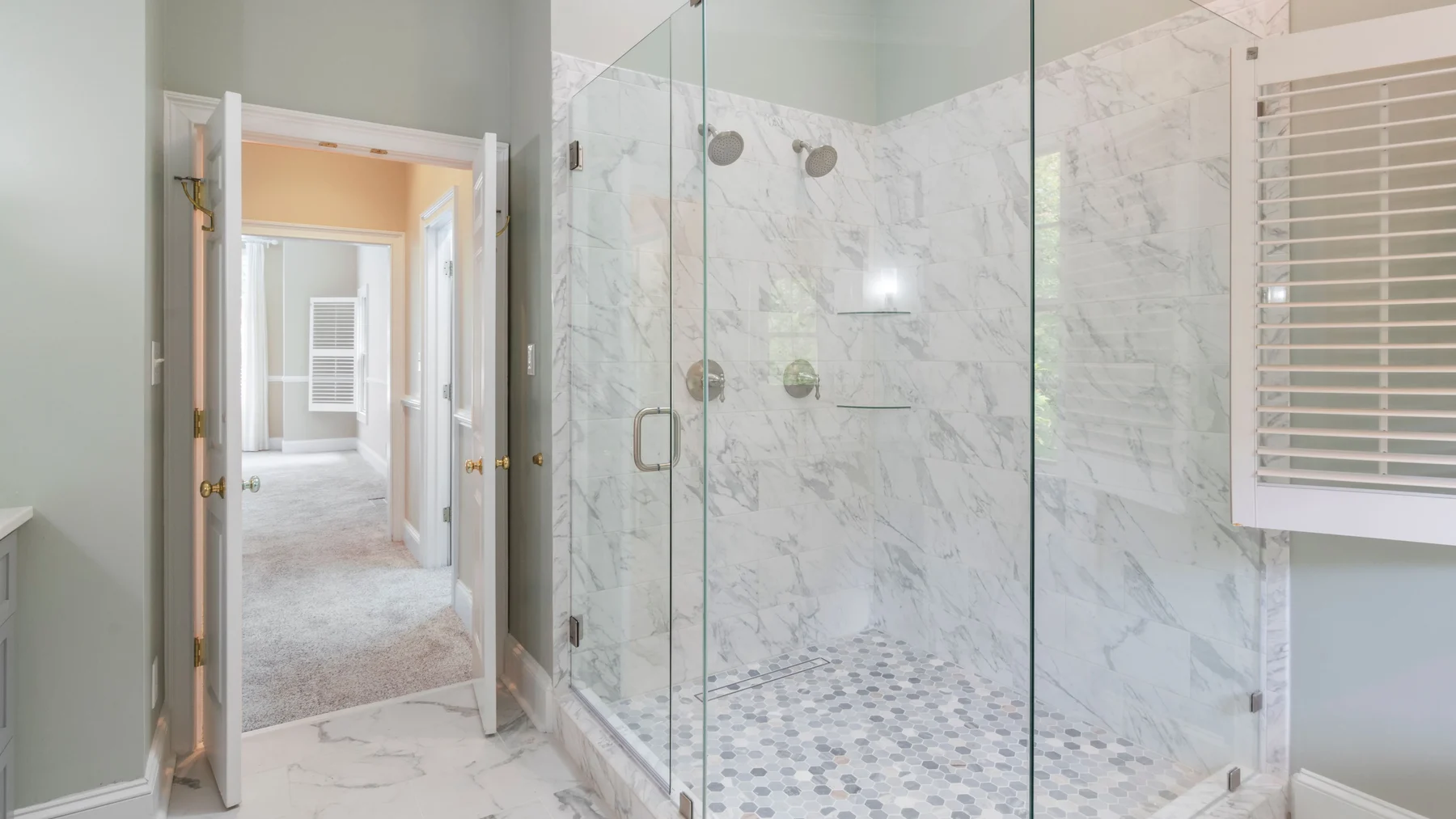
Few things are more frustrating than a beautiful tile floor whose grout lines start cracking and crumbling a year or two after installation. In St. George it is one of the most common tile problems we are called to fix, and the reasons are specific to Southern Utah. Between our slab-on-grade construction, the dryness that sucks moisture out of everything, and hard water that attacks grout from above, our tile faces a combination of stresses that milder climates never see. The good news is that cracking grout is almost always preventable, and understanding the causes is the first step to a repair that actually lasts.
The single most important thing to understand is that grout does not usually crack because the grout is bad. It cracks because something underneath it is moving. Grout is rigid, and if the tile or the surface below it flexes even slightly, the weakest point, the thin grout line, is where that stress shows up. Chasing the problem by regrouting without addressing the movement underneath just means the new grout cracks too. A lasting fix starts with finding why it is moving.
Most St. George homes are built on a concrete slab, and slabs move. New-construction slabs, and we have a lot of new construction here, cure and shrink for a long time, and expansive or shifting desert soils cause slabs to settle unevenly. When the slab develops a hairline crack or shifts, that movement telegraphs straight up through the tile and cracks the grout, or worse, the tile itself. This is the number one cause we see, especially in homes just a few years old around Washington, Hurricane, and the growing subdivisions.
Tile assemblies need designed movement joints, soft, flexible caulked lines, at the perimeter of a room, at changes in plane, and at intervals across large floors. These joints let the tile expand, contract, and absorb minor slab movement without stressing the grout. Far too many installations, especially rushed builder-grade jobs, skip them, running hard grout wall to wall. Without those relief joints, the assembly has nowhere to move, so it cracks. Adding proper movement joints is often the key to a permanent fix.
Our extremely dry air plays a role too. Grout cures best with some moisture, and in St. George's arid climate grout can dry too fast during installation, curing weak and brittle before it fully hardens. Proper installation accounts for this with the right mixing, timing, and curing practices for a desert environment. Grout that was allowed to flash-dry on a hot Southern Utah day is prone to cracking and crumbling no matter what is underneath it.
St. George has some of the hardest water around, and it works on grout from the top down. Mineral-laden water crusts, discolors, and, combined with harsh cleaning, erodes grout over time, weakening it until it cracks and pits. In showers and around sinks this is especially aggressive. Sealing the grout and using the right cleaning approach for hard water slows this dramatically, and it is a step many homeowners never hear about.
A proper repair is not just scraping out the bad grout and refilling. We diagnose the cause first, checking for slab cracks, missing movement joints, and hollow spots where tile has debonded. Then we address the movement, install proper flexible joints where they belong, remove and replace the failed grout, and seal it against our hard water. Where the slab itself is the culprit, sometimes the right answer is a crack-isolation membrane under any re-tiled area. The fix matches the cause.
If you are tiling a new floor in a St. George home, prevention is far cheaper than repair. Insist on proper substrate prep, a crack-isolation or uncoupling membrane over slab-on-grade where warranted, correctly placed movement joints, quality grout mixed and cured for our climate, and sealing against hard water. Done right from the start, your grout can stay intact for the life of the floor. For industry standards on movement joints and tile installation, the Tile Council of North America is the authoritative source.
Homeowners fed up with cracking and staining often ask about epoxy grout, and in St. George it can be a smart upgrade in the right spots. Epoxy grout is far more resistant to hard-water staining and chemical erosion than standard cementitious grout, and it is essentially waterproof, which makes it excellent in showers and around sinks where our mineral-heavy water does the most damage. It costs more and is trickier to install, so it is not the answer for every job, but for a shower rebuild or a high-use kitchen in a hard-water home it frequently pays for itself in longevity. We will tell you where epoxy earns its premium and where standard grout, properly sealed, is plenty.
Expert tile and grout repair across St. George, Washington, Hurricane, Santa Clara, and Ivins.
Because something underneath is moving, usually slab movement or a missing movement joint at that location. Refilling the grout without adding a flexible joint or addressing the slab means it will simply crack again in the same place.
Yes. Our very hard water crusts and erodes grout over time, especially in showers and around sinks, weakening it until it cracks and pits. Sealing the grout and using gentle, hard-water-appropriate cleaning slows the damage significantly.
How Much Does Tile Installation Cost in St. George? A 2026 Pricing Guide — Custom tile designed and installed across St. George and Washington County.
Few things are more frustrating than a beautiful tile floor whose grout lines start cracking and crumbling a year or two after installation. In St. George it is one of the most common tile problems we are called to fix, and the reasons are specific to Southern Utah. Between our slab-on-grade construction, the dryness that sucks moisture out of everything, and hard water that attacks grout from above, our tile faces a combination of stresses that milder climates never see. The good news is that cracking grout is almost always preventable, and understanding the causes is the first step to a repair that actually lasts.
The single most important thing to understand is that grout does not usually crack because the grout is bad. It cracks because something underneath it is moving. Grout is rigid, and if the tile or the surface below it flexes even slightly, the weakest point, the thin grout line, is where that stress shows up. Chasing the problem by regrouting without addressing the movement underneath just means the new grout cracks too. A lasting fix starts with finding why it is moving.
Most St. George homes are built on a concrete slab, and slabs move. New-construction slabs, and we have a lot of new construction here, cure and shrink for a long time, and expansive or shifting desert soils cause slabs to settle unevenly. When the slab develops a hairline crack or shifts, that movement telegraphs straight up through the tile and cracks the grout, or worse, the tile itself. This is the number one cause we see, especially in homes just a few years old around Washington, Hurricane, and the growing subdivisions.
Tile assemblies need designed movement joints, soft, flexible caulked lines, at the perimeter of a room, at changes in plane, and at intervals across large floors. These joints let the tile expand, contract, and absorb minor slab movement without stressing the grout. Far too many installations, especially rushed builder-grade jobs, skip them, running hard grout wall to wall. Without those relief joints, the assembly has nowhere to move, so it cracks. Adding proper movement joints is often the key to a permanent fix.
Our extremely dry air plays a role too. Grout cures best with some moisture, and in St. George's arid climate grout can dry too fast during installation, curing weak and brittle before it fully hardens. Proper installation accounts for this with the right mixing, timing, and curing practices for a desert environment. Grout that was allowed to flash-dry on a hot Southern Utah day is prone to cracking and crumbling no matter what is underneath it.
St. George has some of the hardest water around, and it works on grout from the top down. Mineral-laden water crusts, discolors, and, combined with harsh cleaning, erodes grout over time, weakening it until it cracks and pits. In showers and around sinks this is especially aggressive. Sealing the grout and using the right cleaning approach for hard water slows this dramatically, and it is a step many homeowners never hear about.
A proper repair is not just scraping out the bad grout and refilling. We diagnose the cause first, checking for slab cracks, missing movement joints, and hollow spots where tile has debonded. Then we address the movement, install proper flexible joints where they belong, remove and replace the failed grout, and seal it against our hard water. Where the slab itself is the culprit, sometimes the right answer is a crack-isolation membrane under any re-tiled area. The fix matches the cause.
If you are tiling a new floor in a St. George home, prevention is far cheaper than repair. Insist on proper substrate prep, a crack-isolation or uncoupling membrane over slab-on-grade where warranted, correctly placed movement joints, quality grout mixed and cured for our climate, and sealing against hard water. Done right from the start, your grout can stay intact for the life of the floor. For industry standards on movement joints and tile installation, the Tile Council of North America is the authoritative source.
Homeowners fed up with cracking and staining often ask about epoxy grout, and in St. George it can be a smart upgrade in the right spots. Epoxy grout is far more resistant to hard-water staining and chemical erosion than standard cementitious grout, and it is essentially waterproof, which makes it excellent in showers and around sinks where our mineral-heavy water does the most damage. It costs more and is trickier to install, so it is not the answer for every job, but for a shower rebuild or a high-use kitchen in a hard-water home it frequently pays for itself in longevity. We will tell you where epoxy earns its premium and where standard grout, properly sealed, is plenty.
How Much Does Tile Installation Cost in St. George? A 2026 Pricing Guide — Custom tile designed and installed across St. George and Washington County.