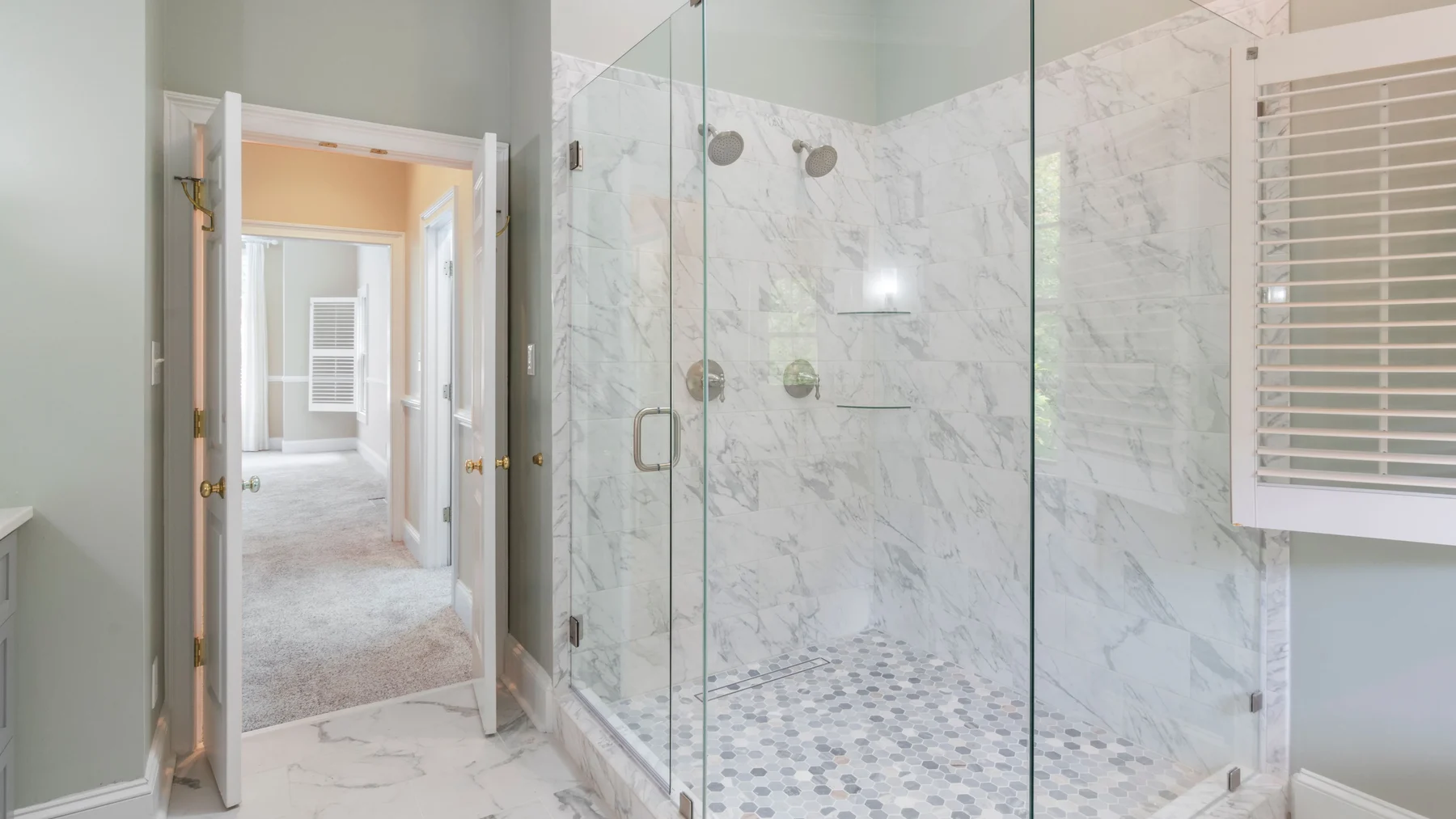
Tired, stained, cracking grout can make an otherwise fine tile floor or shower look years past its prime. The good news for St. George homeowners is that you do not always need to tear everything out and start over, sometimes regrouting brings tile back to life for a fraction of the cost of replacement. But regrouting is not a cure-all, and applied to the wrong problem it is money wasted. Knowing when it is the right move, and when your tile needs more, saves you both frustration and cash.
Regrouting means removing the top layer of old, damaged, or discolored grout from between your tiles and replacing it with fresh grout. Done properly it can dramatically refresh the look of a floor or shower and restore a clean, sealed surface. It is far less invasive and less expensive than removing and replacing the tile itself, which is why it is the first option worth considering when the tile is sound but the grout looks bad.
Regrouting is ideal when the tiles themselves are in good shape and firmly bonded, but the grout is stained, mildewed, hard-water-crusted, or superficially cracked in isolated spots. In St. George, where hard water discolors and erodes grout over time, plenty of showers and floors have perfectly good tile behind grout that simply looks worn out. In those cases regrouting, followed by proper sealing, makes the whole surface look new again and protects it going forward.
Regrouting cannot fix a moving substrate. If grout keeps cracking because the slab is shifting or movement joints are missing, new grout will crack right along with the old, so the underlying issue has to be solved first. Likewise, if tiles are loose, hollow-sounding, or debonded, if there is water damage behind a shower wall, or if the waterproofing has failed, regrouting only hides a problem that will resurface. In those situations proper repair or partial re-tiling is the honest answer.
Our Southern Utah water shortens grout life, so regrouting here comes with a caveat: if you regrout without addressing hard-water buildup and sealing, you will be back in the same spot before long. A quality regrout in St. George should always include cleaning off mineral buildup, using a durable grout, and sealing it, plus a conversation about ongoing care and, ideally, a water softener. Regrouting into hard water without those steps is a short-lived fix.
Showers deserve special caution. Cracked or missing grout in a shower can let water reach the substrate, and if the waterproofing behind the tile is old or was never done right, you can have hidden damage. Regrouting the surface will not repair failed waterproofing underneath. We inspect showers carefully before recommending a regrout, because the last thing you want is fresh grout over a rotting wall. Sometimes the responsible recommendation is a proper shower rebuild.
The appeal of regrouting is cost. It is a fraction of the price of tearing out and replacing tile, and it takes far less time. For a St. George homeowner with sound tile and ugly grout, it is one of the best-value improvements available. Replacement only makes financial sense when the tile itself is failing, dated beyond saving, or sitting over a problem that has to be corrected anyway. We will always tell you honestly which path your specific tile calls for.
The right call comes down to the condition of the tile and what is happening underneath. If the tile is solid and only the grout looks bad, regrout and seal. If tiles are loose, grout keeps cracking from movement, or a shower may have water damage, invest in real repair instead. An honest inspection is the only way to know for sure, and we would rather steer you to the cheaper regrout when that is genuinely what your home needs. For guidance on tile and grout maintenance, the Tile Council of North America is a helpful reference.
Done properly, a regrout in St. George should last many years, but its lifespan depends heavily on aftercare in our hard-water environment. Sealing the fresh grout, cleaning with pH-neutral products rather than harsh acidic cleaners, and softening your water all extend the life significantly. Neglect those and mineral buildup and erosion will shorten it. We finish every regrout by sealing the joints and walking you through the simple maintenance routine that keeps them looking fresh, so you get the full value of the work rather than watching new grout stain within a year like the old.
Tile repair, regrouting, and sealing across St. George, Washington, Hurricane, and Ivins.
Often yes, if the tiles are sound and firmly bonded and only the grout is stained, worn, or superficially cracked. Regrouting and sealing refreshes the surface for a fraction of replacement cost. It is not enough if the substrate is moving or tiles are loose.
It will last much longer if the regrout includes removing mineral buildup, using a durable grout, and sealing it, ideally paired with a water softener. Regrouting without addressing hard water is a short-lived fix here.
How Much Does Tile Installation Cost in St. George? A 2026 Pricing Guide — Custom tile designed and installed across St. George and Washington County.
Tired, stained, cracking grout can make an otherwise fine tile floor or shower look years past its prime. The good news for St. George homeowners is that you do not always need to tear everything out and start over, sometimes regrouting brings tile back to life for a fraction of the cost of replacement. But regrouting is not a cure-all, and applied to the wrong problem it is money wasted. Knowing when it is the right move, and when your tile needs more, saves you both frustration and cash.
Regrouting means removing the top layer of old, damaged, or discolored grout from between your tiles and replacing it with fresh grout. Done properly it can dramatically refresh the look of a floor or shower and restore a clean, sealed surface. It is far less invasive and less expensive than removing and replacing the tile itself, which is why it is the first option worth considering when the tile is sound but the grout looks bad.
Regrouting is ideal when the tiles themselves are in good shape and firmly bonded, but the grout is stained, mildewed, hard-water-crusted, or superficially cracked in isolated spots. In St. George, where hard water discolors and erodes grout over time, plenty of showers and floors have perfectly good tile behind grout that simply looks worn out. In those cases regrouting, followed by proper sealing, makes the whole surface look new again and protects it going forward.
Regrouting cannot fix a moving substrate. If grout keeps cracking because the slab is shifting or movement joints are missing, new grout will crack right along with the old, so the underlying issue has to be solved first. Likewise, if tiles are loose, hollow-sounding, or debonded, if there is water damage behind a shower wall, or if the waterproofing has failed, regrouting only hides a problem that will resurface. In those situations proper repair or partial re-tiling is the honest answer.
Our Southern Utah water shortens grout life, so regrouting here comes with a caveat: if you regrout without addressing hard-water buildup and sealing, you will be back in the same spot before long. A quality regrout in St. George should always include cleaning off mineral buildup, using a durable grout, and sealing it, plus a conversation about ongoing care and, ideally, a water softener. Regrouting into hard water without those steps is a short-lived fix.
Showers deserve special caution. Cracked or missing grout in a shower can let water reach the substrate, and if the waterproofing behind the tile is old or was never done right, you can have hidden damage. Regrouting the surface will not repair failed waterproofing underneath. We inspect showers carefully before recommending a regrout, because the last thing you want is fresh grout over a rotting wall. Sometimes the responsible recommendation is a proper shower rebuild.
The appeal of regrouting is cost. It is a fraction of the price of tearing out and replacing tile, and it takes far less time. For a St. George homeowner with sound tile and ugly grout, it is one of the best-value improvements available. Replacement only makes financial sense when the tile itself is failing, dated beyond saving, or sitting over a problem that has to be corrected anyway. We will always tell you honestly which path your specific tile calls for.
The right call comes down to the condition of the tile and what is happening underneath. If the tile is solid and only the grout looks bad, regrout and seal. If tiles are loose, grout keeps cracking from movement, or a shower may have water damage, invest in real repair instead. An honest inspection is the only way to know for sure, and we would rather steer you to the cheaper regrout when that is genuinely what your home needs. For guidance on tile and grout maintenance, the Tile Council of North America is a helpful reference.
Done properly, a regrout in St. George should last many years, but its lifespan depends heavily on aftercare in our hard-water environment. Sealing the fresh grout, cleaning with pH-neutral products rather than harsh acidic cleaners, and softening your water all extend the life significantly. Neglect those and mineral buildup and erosion will shorten it. We finish every regrout by sealing the joints and walking you through the simple maintenance routine that keeps them looking fresh, so you get the full value of the work rather than watching new grout stain within a year like the old.
How Much Does Tile Installation Cost in St. George? A 2026 Pricing Guide — Custom tile designed and installed across St. George and Washington County.